Hearing loss can make daily life hard. Family chats, phone calls and even TV time can feel tiring. The good news is that today’s hearing technology is smarter, smaller and more comfortable than before. Digital hearing aids are now the most common choice for people who need hearing support. Here is a simple guide to how they work and how they can help.
What Are Digital Hearing Aids?
Digital hearing aids are advanced hearing devices that convert sound waves into digital signals. They use a built-in computer chip to process and personalise the sounds for your unique hearing profile, and play them back clearly into your ear. Digital hearing aid models can be adjusted to your hearing test results. This means the sound is set for your hearing needs and challenges, not just made louder.
How Do Digital Hearing Aids Work?
The process is quick and happens in a fraction of a second:
- Microphone: It picks up sounds from around you.
- Processor: It turns the sound into a digital signal and cleans it up. It can lower background noise and bring speech forward.
- Amplifier: It increases the sounds you find hard to hear.
- Receiver: It sends the clearer sound into your ear.
Your audiologist sets each of these steps based on your hearing test. That is why a proper hearing check is the first step.
Key Features to Look For
Modern digital hearing aids come with many useful features. Some common ones are:
- Noise reduction: Softens background sounds like traffic or fans.
- Directional microphones: Focus on the voice in front of you, which helps in group talks.
- Feedback control: Reduces the whistling sound some people notice.
- Multiple programs: Different settings for quiet rooms, crowded places or phone calls.
- Bluetooth connectivity: Lets you stream calls and music straight to your hearing aids.
- Rechargeable batteries: No need to change tiny batteries again and again.
- Phone app control: Lets you change volume and settings easily.
Not every model has all these features. Your audiologist can suggest what suits your hearing and lifestyle.
Digital Hearing Aid Benefits
The main digital hearing aid benefits are simple and practical:
- Clearer speech: Voices are easier to follow, even with some background noise.
- Comfortable listening: Loud sounds are controlled, so they don’t feel harsh.
- Custom fit and sound: Settings match your hearing needs and can be changed later.
- Discreet styles: Many models are small and light, so you can wear them all day.
- Better connection: You can enjoy conversations, calls and family time with less effort.
Please remember that hearing aids do not bring back normal hearing. They help you hear better, and it takes some time to get used to them, especially if you have lived with untreated hearing loss for a prolonged period.
Types of Digital Hearing Aids
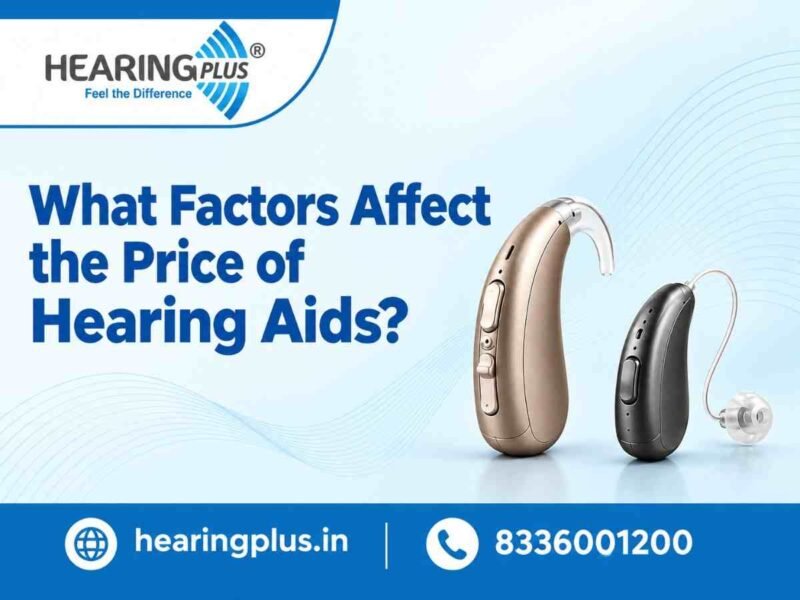
Digital hearing aids come in different styles. The common ones are behind-the-ear (BTE), receiver-in-canal (RIC), in-the-ear (ITE), in-the-canal (ITC), completely-in-canal (CIC), and invisible-in-canal (IIC). The right style depends on your hearing loss type and degree, ear shape, lifestyle, and comfort.
Who Should Consider Them?
You may want to get your hearing checked if:
- You often ask people to repeat themselves
- You turn the TV volume up very high
- You find it hard to follow talks in noisy places
- Family members say you don’t hear them well
Final Words
To conclude, digital hearing aids and invisible hearing aids can make everyday life easier and more enjoyable. The right device, selected and adjusted by an experienced audiologist, can help you stay connected with the people you love. At Hearing Plus, our team is ready to guide you at every step, from the hearing test to fitting and after-care. Book your hearing test at your nearest Hearing Plus clinic today.
FAQs
1. Are digital hearing aids better than analogue ones?
Digital hearing aids process sound in a more detailed way. They can be fine-tuned and offer features like noise reduction, so most people prefer them.
2. How long does it take to get used to a hearing aid?
Most people take a few weeks. Wearing them daily and following up with your audiologist helps.
3. Do I need a hearing test first?
Yes. A hearing test shows the type and severity of your hearing loss, so the right device can be chosen.
4. How long do digital hearing aids last?
With proper care, they usually last several years. Regular cleaning and check-ups are necessary.