Hearing loss in childhood is a serious concern as it is associated with speech delay, communication problems, challenges with language development, difficulty in school, and delayed brain development. This, in turn, may affect academic performance and lead to feelings of isolation and unhappiness in social settings. Parents and caregivers often deal with emotional stress from a lack of information and proper guidance, and financial challenges of treatment and hearing devices. A hearing aid consultation from a qualified audiologist is the first step towards clearer hearing and a better quality of life.
When your child is diagnosed with hearing loss, undergoing the right treatment is essential to the proper development of speech and language. Selecting the right hearing aid is the key to overcoming communication challenges at an early stage. However, with so many options available, it may be overwhelming for parents or caregivers to choose the right hearing aid model. Here’s a quick guide to help you understand which features to look for, so you can make the best selection.
A Comprehensive Hearing Assessment
If you suspect your child has hearing problems, undergoing a detailed hearing evaluation is the first step in your child’s hearing loss treatment. Get a professional consultation from a certified audiologist, who will perform diagnostic tests, like OAE, BERA, and ASSR, to evaluate your child’s hearing loss type and degree. Based on their hearing profile and needs, the audiologist will recommend the most suitable hearing loss treatment plan.
- OAE: Otoacoustic Emissions is a quick screening test that evaluates the functioning of the outer hair cells in the inner ear (cochlea) by recording the vibrations or faint sounds these cells produce in response to an external sound stimulus.
- BERA: Brainstem Evoked Response Audiometry is a thorough diagnostic test designed to evaluate hearing pathways in children (or people who cannot respond to conventional hearing screening tests) to assess the brain’s response to sounds.
- ASSR: Auditory Steady-State Response is an advanced screening test that helps detect frequency-specific hearing thresholds in infants, young children, and non-responsive adults, for accurate hearing aid fitting.
The first three years of a child’s life are crucial for the development of speech, language, and social skills, as well as brain development.
Selecting the Right Type of Hearing Aid
The right device not just improves a child’s hearing ability – it helps them develop crucial developmental skills, including speech, language, and communication, boosting their confidence in social gatherings. Hearing aids that are safe, comfortable, easy to handle, and durable are the most suitable models for infants and young children. The common types of hearing aids most suitable for kids include:
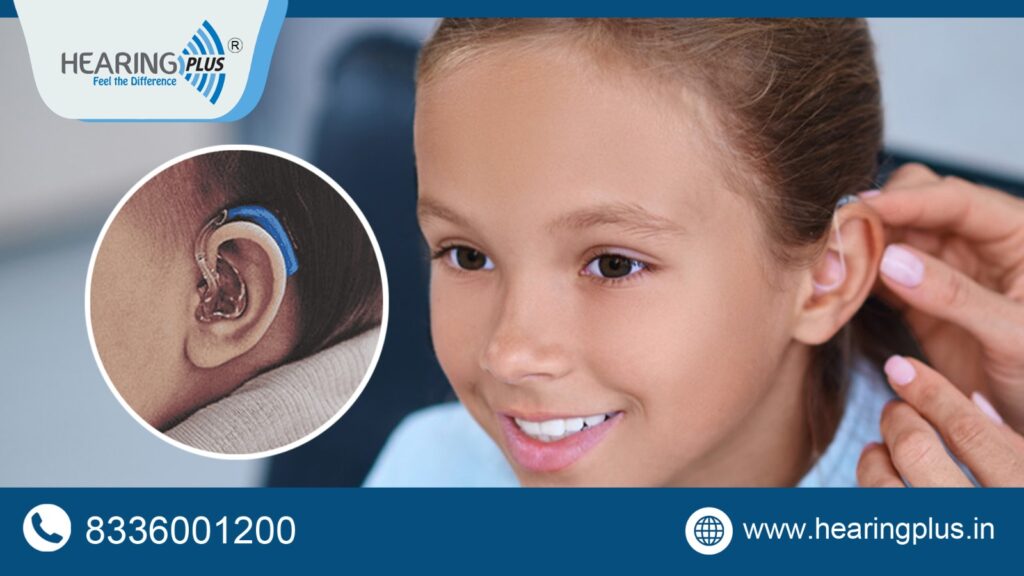
- Behind-The-Ear (BTE) Hearing Aids: BTE aids are more durable and damage-resistant compared to other models. They also come in varying colours that are appealing to young children. These are robust, easy-to-maintain, and offer strong amplification, making BTE devices an ideal choice for kids and infants.
- Receiver-In-Canal (RIC) Hearing Aids: RIC aids are smaller than BTE devices, making them less visible and more lightweight. Since the receiver sits inside the ear canal, RIC hearing aids provide a more natural and clearer sound quality. They are most suitable for older children or teenagers with severe hearing loss. RIC aids also come in fun and bright colours, making the listening journey more enjoyable for children.
- Bone Conduction Hearing Aids: If your child is suffering from a specific type of hearing loss, such as single-sided deafness or conductive hearing loss, bone conduction aids are often recommended. Besides, these are the most suitable options when traditional hearing aids are difficult to wear.
Opt for Aids with Child-Friendly Features
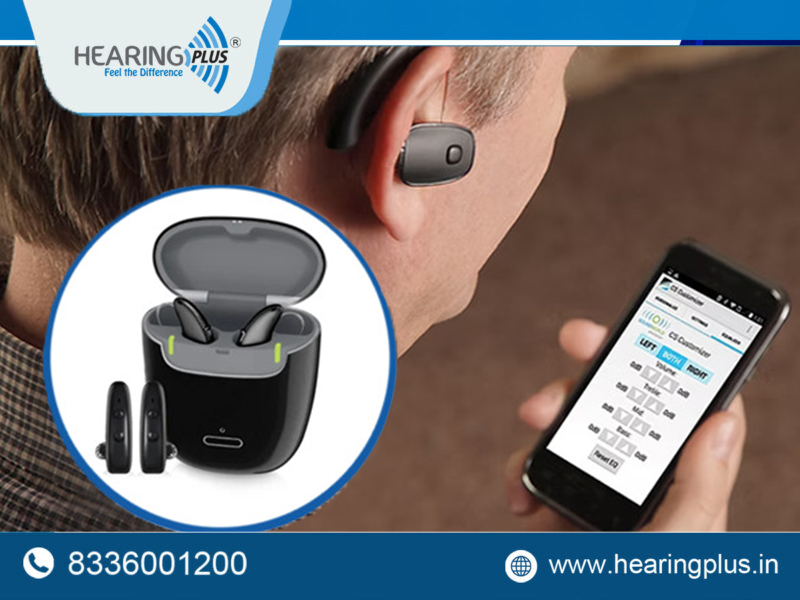
Modern-day digital hearing aids are designed with advanced features that support a child’s day-to-day hearing, learning, communication, and developmental needs, while ensuring safety and comfort. Look for hearing aids that come with these child-friendly features:
- Noise reduction and speech enhancement
- Feedback cancellation
- LED indicators to check performance and battery levels instantly
- Child-proof design to prevent accidental swallowing
- Smart and seamless connectivity to audio players and phones via Bluetooth during study and play
- Allergen-free, water-resistant, and dustproof
- Access to high-frequency sounds, such as soft consonants (like “s”, “f”, and “th”)
Check for Speech and Language Enhancement Features
The primary goal of your child’s hearing aid should be to deliver clear speech and ensure improved listening, especially in noisy environments. A good hearing aid will deliver natural and audible sounds that help with speech understanding, ensuring clear communication and confidence in social settings, group discussions, and classroom environments. Take advantage of the numerous benefits of digital hearing aids, which will enable your child to differentiate speech sounds (especially the soft consonants) accurately.
Focus on Accurate Fit and Comfort
Your child is growing rapidly in the blink of an eye, and so are their ears! Choose a hearing aid that ensures the highest comfort and a snug fit. Poor-fitted hearing aids not only cause discomfort but are also detrimental to your child’s hearing health. Besides, an ill-fitted device also tends to produce frustrating feedback noises or whistling that may hamper your child’s concentration and day-to-day activities. Therefore, it’s recommended to consult a qualified audiologist before choosing your child’s hearing aid.
Final Words
We know parents often find it overwhelming to choose the right hearing aid for their children. But with the right guidance and timely hearing aid consultation from a professional audiologist, you can ensure clear, natural, and stable sound delivery to support your child’s learning, long-term communication, and developmental needs. The right hearing loss treatment can make a huge difference in helping your child grow with confidence and build a brighter future.
FAQs
Does my child need earmolds while getting hearing aids? How often do they need replacement?
Most infants and young kids need earmolds for a secure and comfortable fit, particularly when opting for BTE hearing aids. Since kids grow fast, they typically need an earmold replacement every 6-12 months.
How early can a child start using hearing aids?
After a child is diagnosed with a hearing loss, they may start wearing a hearing aid as early as a few weeks old. Early intervention and timely hearing loss treatment support speech and language development, ensuring confidence during communication and overall learning.
Does my child need hearing aids in both ears?
It depends on whether your child is suffering from hearing loss in both ears. Wearing binaural hearing aids (in both ears) helps improve sound clarity and sound localisation, which enables the child to identify sound direction and understand speech better. In short, binaural hearing aids ensure an overall listening comfort and improved quality of life for the wearer.